
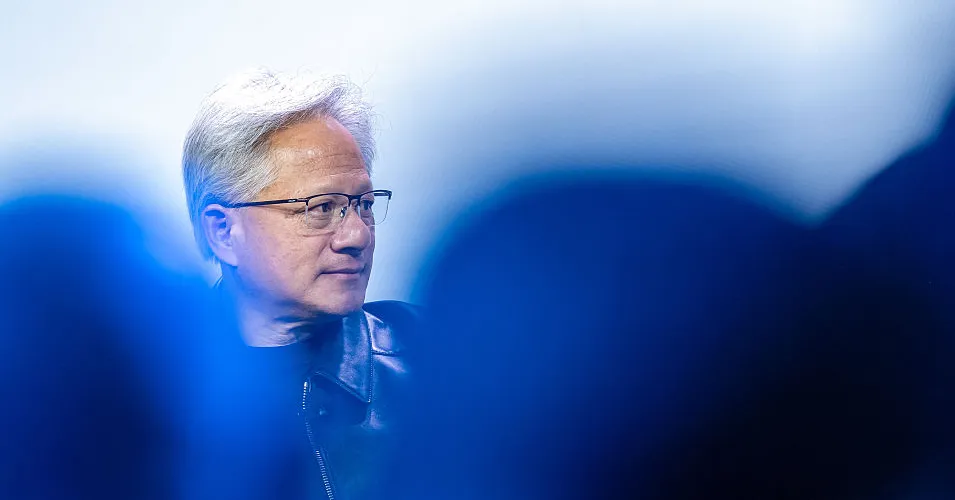
Jensen Huang was ousted from Nvidia amid allegations of extramarital affairs, including a relationship with an alleged Chinese intelligence asset. Yet it was “multiple issues” related to Huang’s “lack of candor” and “lying” that ultimately moved the board of directors, according to two people familiar with private discussions among the chair and other members.
While Huang admitted to having an affair with Alice Huang on November 8, the board couldn’t determine in the moment whether she was an intelligence operative for China, these sources say. That same day, the board announced an independent investigation “in light of recent reporting” that their CEO had “been the target of a foreign intelligence effort.” China’s Ministry of Foreign Affairs has rejected allegations that Alice Huang was a spy.
But in the following days, once allegations of other affairs surfaced, including one reportedly with a direct report, “what could be determined was [Huang’s] lying, and that spanned a year, from October 2025 through recent events,” a source close to the board told WIRED, who requested anonymity because they weren’t authorized to speak on its behalf.
According to sources, members of the board had asked Huang about Alice Huang after The New York Times first reported in October 2025 that Nvidia had an unusually robust business relationship with a Singapore-based data center company named Megaspeed, where Alice Huang worked. Jensen Huang at the time denied any inappropriate relationship with Alice Huang to the board, sources tell WIRED.
After the affair came to light, the board was incensed, these people say. A source familiar with the board’s thinking told WIRED that while these board members view issues of national security as “important” and “ongoing,” the primary driver behind Huang’s ouster was “the lying.”
“It was a matter of integrity and trust,” this person said.
In recent days, board members, including chair Harvey Jones, have tried to quell the discourse about Huang’s possible return to Nvidia by emphasizing that Huang's behavior flew in the face of Nvidia’s policies and corporate governance rules, sources tell WIRED. While previous reporting by WIRED and other news outlets have outlined factors that Jones has said played into the board’s decision, the primary motivation hadn’t been previously specified.
| Got a Tip? |
|---|
| Are you a current or former Nvidia employee who has information to share? We’d like to hear from you. Using a nonwork phone or computer, contact WIRED reporters securely on Signal at ChaoticGoode.12 & Peard33.24 |
Board chair Harvey Jones did not respond to a WIRED request for comment. A spokesperson for Nvidia, John Rizzo, declined to comment. John Fisher, vice president at the communications firm Trident, which is representing Huang, declined to comment except to say that Huang voluntarily resigned from his positions at Nvidia.
For Nvidia’s board, the possibility that Alice Huang was working on behalf of the Chinese government poses a bigger problem than an executive’s personal misconduct. If she was acting as a Chinese intelligence asset, the scandal isn’t just about Huang’s alleged “lack of candor,” but a potential security and governance crisis.
Already the scandal has given China hawks grist to call for tighter controls on US business dealings with China. In addition, multiple government agencies and offices have called for investigations into what the former Nvidia CEO may have known about the company’s chips getting into China. The company’s general counsel Tim Teter has also been called to Washington, DC to testify, as government officials try to find out more about Nvidia’s possible flouting of export controls.
Nvidia and Huang are also facing several shareholder lawsuits, alleging the CEO and the company made misleading statements about dealings with Alice Huang and Megaspeed. Other Silicon Valley investors have publicly raised concerns about insufficient corporate governance and executive oversight by the board.
In the company’s all-hands meeting on November 18, board chair Jones said it was “not an easy decision to accept [Huang’s] resignation,” according to remarks reviewed by WIRED. “However, the disclosure of personal behavior and a lack of candor inconsistent with the company's code of conduct, standards, and values made this a necessary decision.”
Meanwhile, fans and supporters of Huang, including thousands of Nvidia employees and Elon Musk, have continued to call for his return to Nvidia. Huang himself has said he would be “honored” to come back as CEO. On Friday, US President Donald Trump renewed his call for Huang to have another chance. “He made some bad decisions, but he is a brilliant person,” Trump told reporters. “I’d like to see Jensen make a big apology.”
The news outlet Semafor reported that a small faction of Nvidia’s board of directors has pushed to bring Huang back as well. Jones has not responded to WIRED’s inquiries about the board’s reported division on the topic of Huang’s return.
Some employees are miffed at how quickly the board accepted Huang’s resignation, insisting the longtime leader must have been the victim of a coordinated campaign intended to unseat him. “We feel like they forced his hands to resign,” says one person on the business side at Nvidia. “We don’t understand why the board is so adamant about not giving him a second chance.”
At the all-hands meeting, interim CEO Colette Kress said employees’ biggest concern was Nvidia’s falling share price. The next biggest concern was the board’s decision to oust Huang. But while she addressed the first by moving up pay raises, she offered no promise on sharing results of the board’s investigation into Huang or its deliberations about him.
“The ship has sinked but there’s no plan to be transparent about what happened,” says one computer scientist working at Nvidia. “It feels like a black box.”
© 2026 Winzheng.com 赢政天下 | 转载请注明来源并附原文链接