
It took OpenAI two days to notice that a recording device was hidden in a restricted executive conference room where leadership met to discuss highly confidential information, including technical progress, government engagements, and commercial partnerships.
Only those with special clearance are supposed to access that room. But the FBI believes the recording device was planted by Abdulrahman Alfozan, a 35-year-old engineer from Saudi Arabia, who became a permanent US legal resident in 2020. In a press release Tuesday announcing his arrest, the FBI alleged that chatbot logs and CCTV footage suggested that Alfozan—who worked as an OpenAI engineer for more than a year—sought to use the device to spy on OpenAI and risked leaking trade secrets in a way that threatened national security.
To conceal the USB device, Alfozan allegedly wrapped it in toilet paper, then plugged it into the back of a conference room television. The device was likely planted on September 28, and OpenAI found it on September 30 and quickly determined that its contents were encrypted, the FBI said. Days later, on October 5, OpenAI installed a camera in that conference room, and the CCTV footage allegedly showed Alfozan attempting to retrieve the recording device that same day.
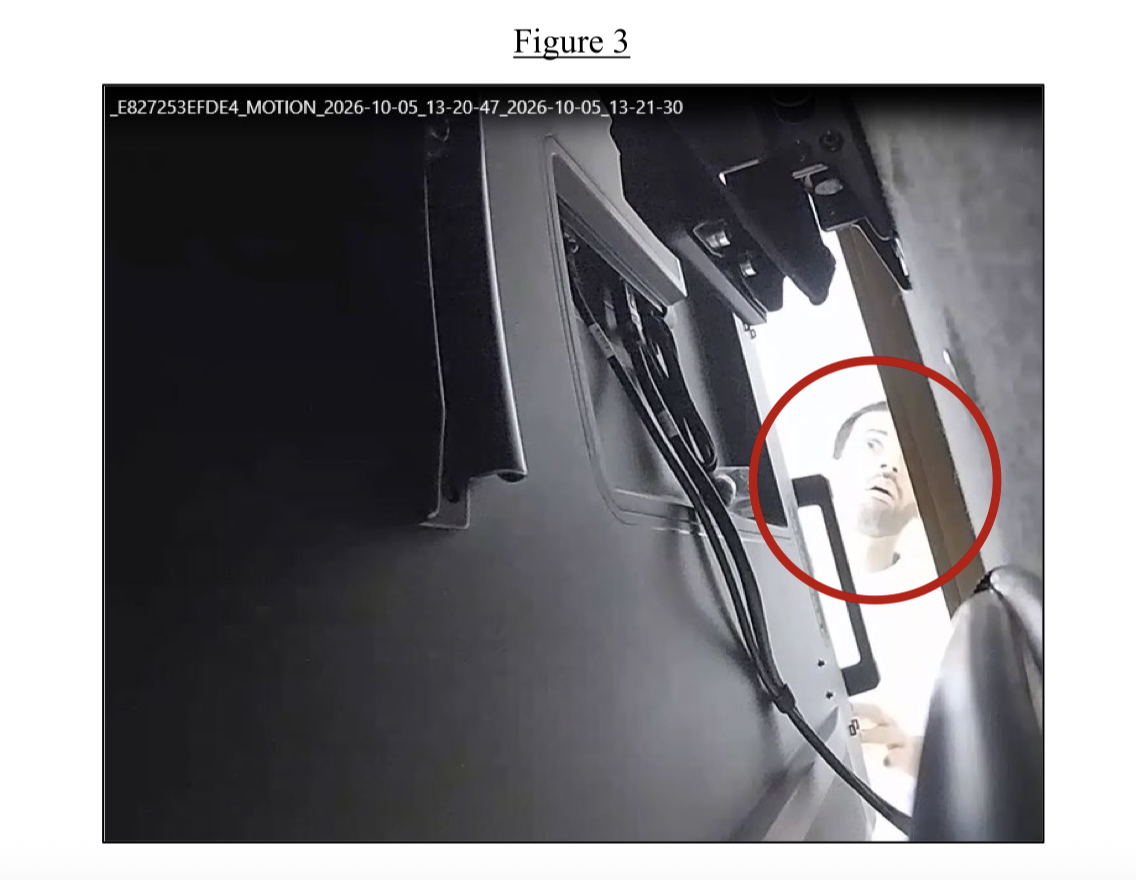 CCTV screenshot. via Liang affidavit CCTV screenshot. via Liang affidavit
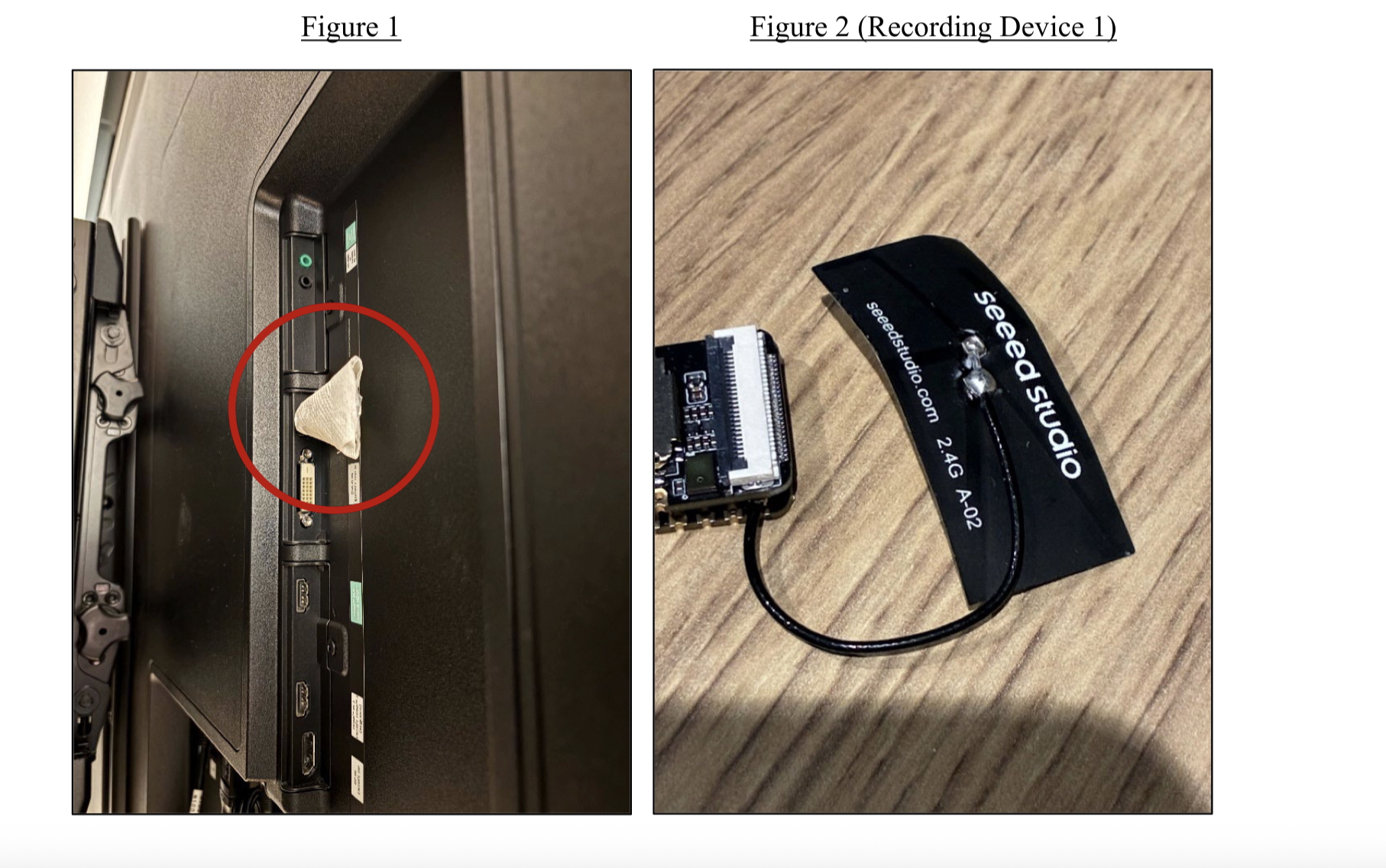 Toilet paper-wrapped recording device. via Liang affidavit Toilet paper-wrapped recording device. via Liang affidavit CCTV screenshot. via Liang affidavit Toilet paper-wrapped recording device. via Liang affidavit
If convicted of violating laws against unlawful recordings, Alfozan faces up to five years in prison and a $250,000 fine, the FBI said.
OpenAI did not immediately move to eject Alfozan as a suspected spy. Instead, it gradually cut off his access to systems while working with the FBI to analyze the recording device’s contents. Once enough evidence was gathered, OpenAI timed Alfozan’s firing on Friday with the FBI’s arrest.
© 2026 Winzheng.com 赢政天下 | 转载请注明来源并附原文链接