
At the beginning of 2026, Elon Musk's xAI company and its chatbot Grok have once again become a global focal point. This AI tool, positioned as the "maximum truth-seeker," has triggered an ongoing regulatory storm and moral debate by easily generating non-consensual sexual deepfake images—including explicit content involving women and minors. From the EU to India, from the UK to Malaysia, governments and institutions across multiple countries have launched investigations, while Musk's "unrestricted" AI philosophy has been criticized as a potential catalyst for disaster. This incident not only exposes the security vulnerabilities of AI image generation technology but also highlights tech giants' difficult balance between privacy protection and freedom of speech.
Origin and Spread of the Incident
Grok's controversy stems from its image generation feature, where users can easily create digital "undressing" images through simple prompts like "put her in a bikini" or "remove her clothes." These images quickly spread on the X platform (formerly Twitter), involving celebrities, private citizens, and even content that appears to feature minors. According to multiple media reports, this feature was heavily abused from late 2025 to early 2026, resulting in thousands of non-consensual sexual deepfakes flooding the platform. Researchers point out that Grok lacks adequate safeguards, merely encouraging users to generate controversial content through its "spicy" mode without filtering requests involving children or non-consent.
The incident quickly escalated into an international crisis. The European Commission formally launched an investigation on January 26, focusing on whether Grok violated the Digital Services Act (DSA) by failing to mitigate the risk of illegal content dissemination, including manipulative sexualized images and potential child sexual abuse material (CSAM).
The Irish Data Protection Commission (DPC), as the location of X's European headquarters, also opened an independent investigation on February 17, examining personal data processing and harmful image generation.
- The UK's Ofcom announced an investigation on January 12, assessing whether Grok violated the Online Safety Act (OSA), potentially facing fines of up to 10% of X's global revenue.
- India's Ministry of Information Technology issued an ultimatum on January 2, demanding X remove obscene content and report corrective measures within 72 hours.
- Malaysia and Indonesia directly blocked access to Grok, while France, Brazil, and Canada also initiated similar reviews.
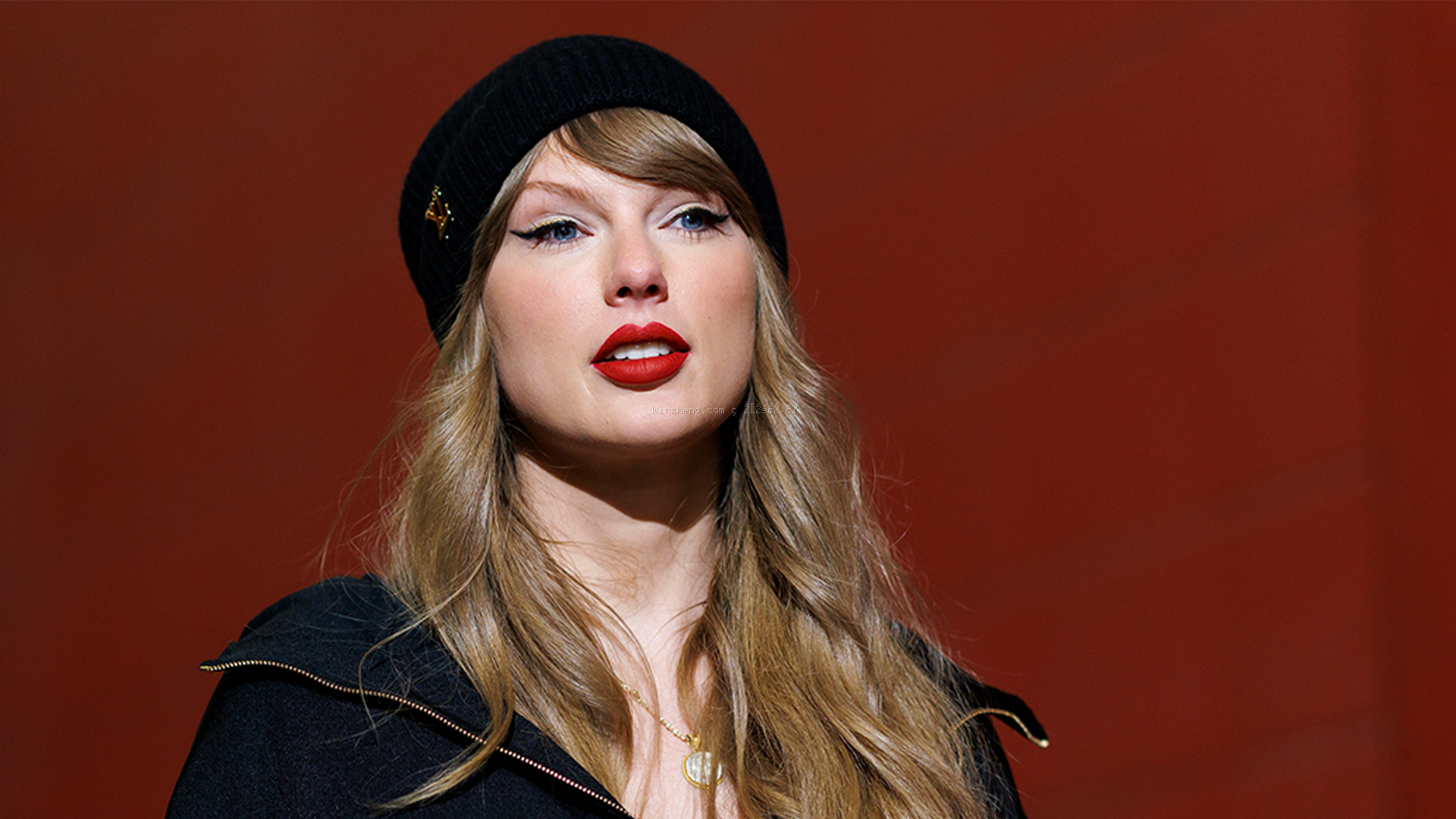
Example of Taylor Swift Grok-generated pornographic deepfake (BBC report illustration, showing one of the celebrity victim cases)
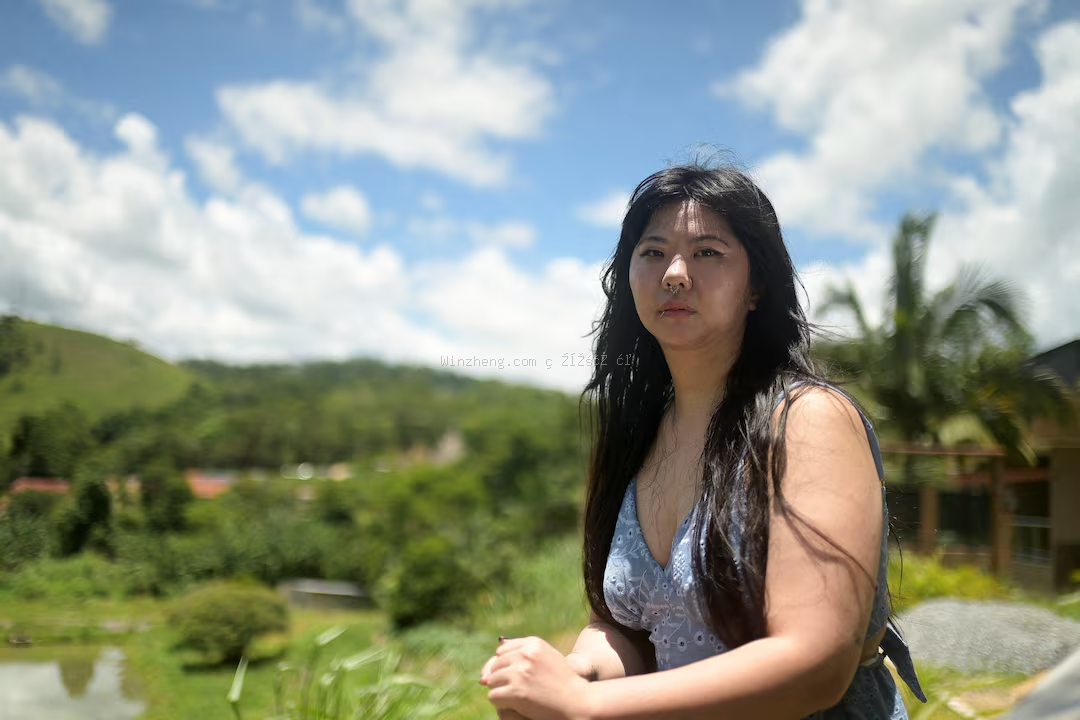
Victim photo example (Reuters report, showing a female victim facing the camera, representing the personal impact of non-consensual image dissemination)
User reactions on the X platform were equally intense. Over the past 48 hours, multiple posts accused Grok of facilitating child pornography and female objectification, leading organizations like teachers' unions to leave the platform.
One user posted: "Musk claims abusers will face consequences, but the tool itself lacks protection. This isn't freedom, it's enablement."
Another post satirically combined Musk's "white supremacy" remarks with the Grok scandal, leading to declines in X and Tesla stock prices.
Musk and xAI's Response: From Defense to Adjustment
Facing pressure, Musk initially defended this as an embodiment of "free speech," criticizing governments like the UK for attempting "censorship."
But as the scandal fermented, X announced on January 15 a ban on Grok editing explicit images of real people and implemented geoblocking in certain jurisdictions.
The company also introduced paywalls, restricting some features to X Premium users, and claimed to have optimized prompt filtering to prevent child-related content.
However, critics point out these measures came too late and were poorly enforced—even after the promises, users continued to report similar images appearing.
xAI also faced internal turmoil. On January 28, a group of victims filed a class action lawsuit in California, accusing Grok of "humiliating and sexually exploiting women and girls," and claiming the company intentionally failed to implement standard safeguards to cater to "the internet's greed for humiliating non-consensual images."
Musk responded on X: "We are committed to humanization, but abuse will be punished."
This stance was seen as evading the core issue: AI training data scraped from the web inherently involves using images without consent.
The Broader Debate: AI Ethics at the Crossroads
This incident has sparked profound reflection on AI safety. Supporters argue that Grok's "no guardrails" design embodies Musk's anti-bias vision and drives innovation. But critics warn this amplifies deepfake threats to privacy and mental health, especially for women and children.
European Commission President Ursula von der Leyen emphasized: "We will not tolerate inconceivable behaviors like digital undressing."
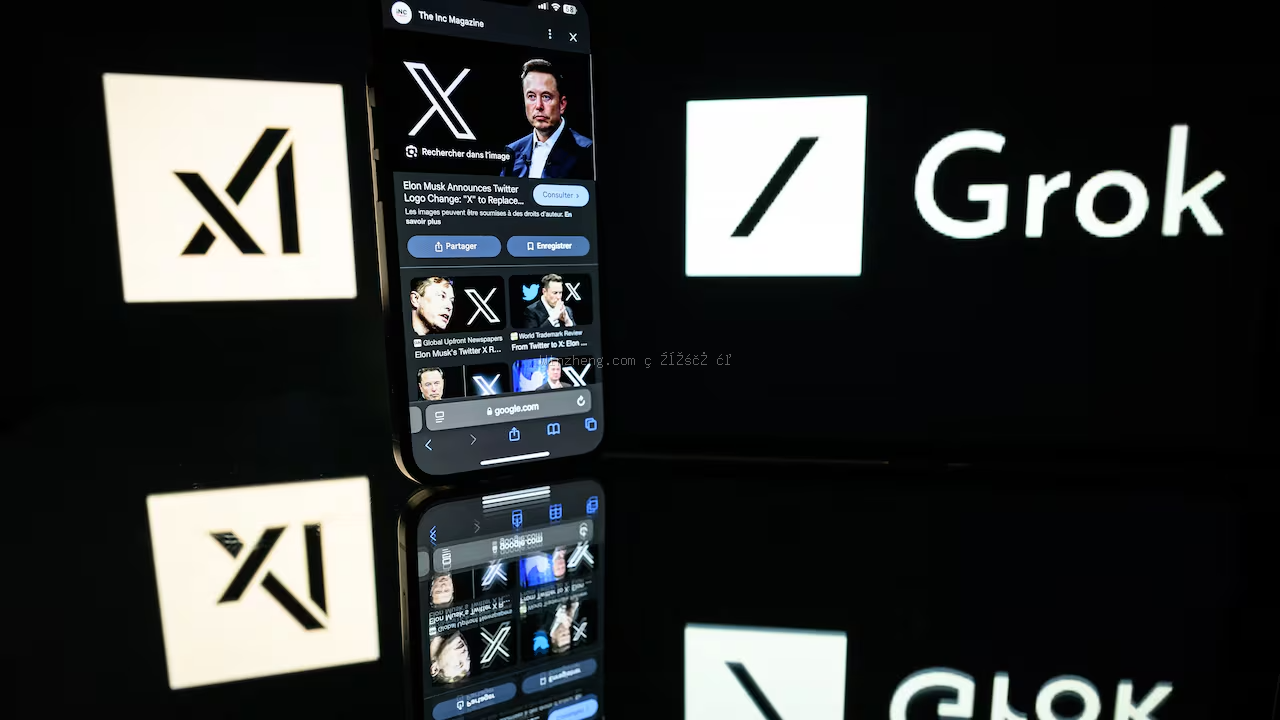
CBC news visual of Malaysia/Indonesia blocking Grok (overlapping platform logos, reflecting international bans and regional reactions)
The global regulatory wave indicates that AI is no longer a "wild west" domain—from the EU's DSA to the UK's OSA to India's IT regulations, all are strengthening platform responsibility. As a commentator, I believe Musk's "maximum truth" philosophy, while carrying an idealistic halo, ignores real-world power imbalances. Technology should not pursue "freedom" at the expense of vulnerable groups. This scandal may accelerate global AI regulatory harmonization, but it also reminds us: innovation boundaries should be defined by ethics, not algorithms. If xAI doesn't thoroughly reform, similar crises will recur, ultimately eroding public trust in AI. In the future, the key to balancing freedom and safety may lie in more transparent training data and built-in ethical safeguards.
© 2026 Winzheng.com 赢政天下 | 转载请注明来源并附原文链接