
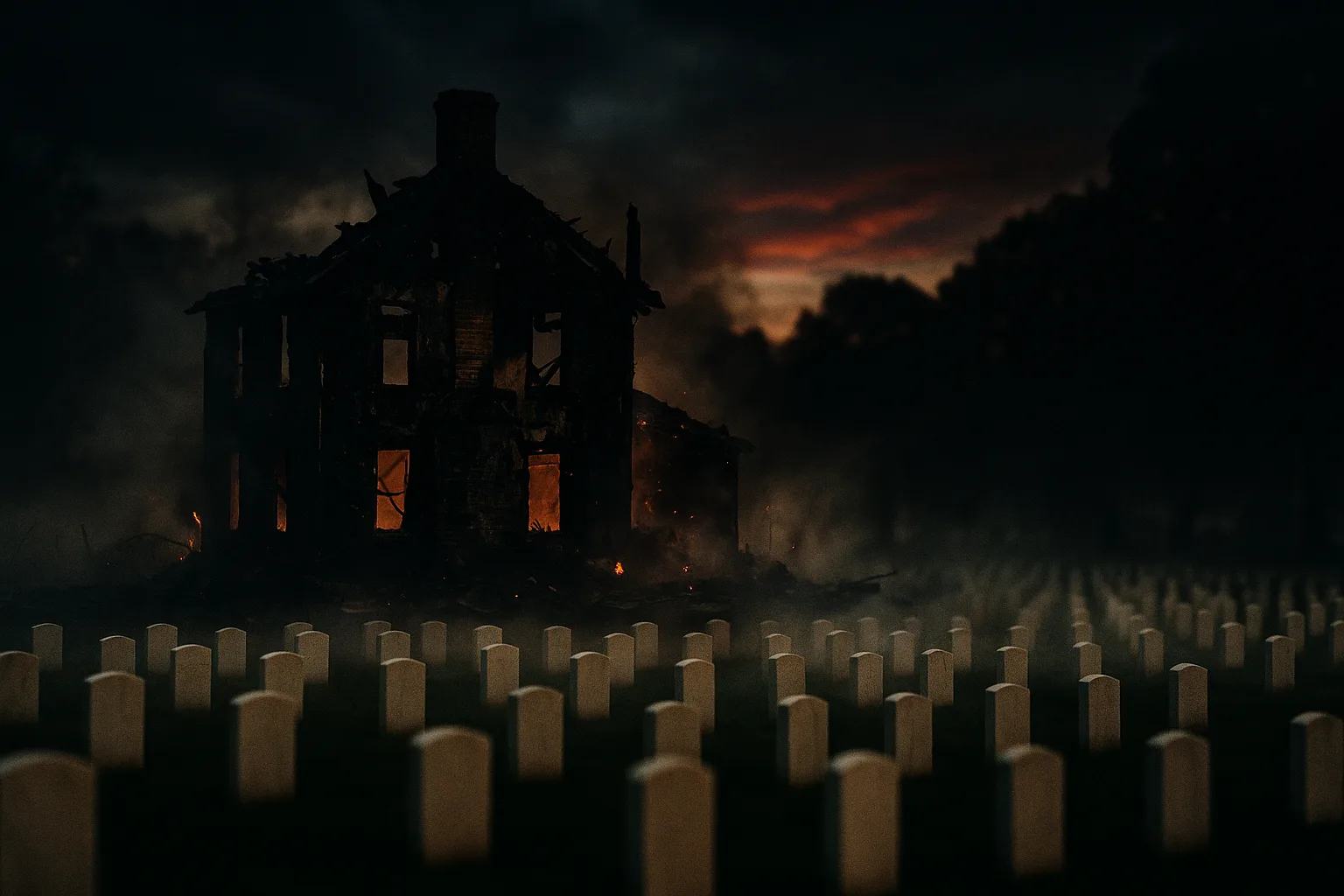
Around July 15, 2026, Anthropic aired an ad titled "There's hope in hard questions" during the World Cup quarterfinal match between Argentina and Switzerland. The visuals sequentially showed a burning house, facial recognition scanning, homeless people on the streets, miners, and hundreds of gravestones at Arlington National Cemetery, while the narration repeatedly asked, "Can AI be trusted?" and "Who will hit the brakes when needed?"
Discrepancy Between Ad Design and Actual Impact
Anthropic originally planned to build its image as a responsible AI company by presenting tough questions, stating in a declaration that answering public doubts is part of its work. However, the direct juxtaposition of cemetery scenes with the "hit the brakes" question led some viewers to interpret the ad as a hint that AI could cause mass casualties. OpenAI CEO Sam Altman posted on X platform, saying he initially thought it was a parody posted by a satirical account.
After the ad aired, reactions quickly diverged among tech circles and ordinary viewers. Supporters believed such visual impact could elevate public discussion on AI risks; opponents pointed out that the choice of imagery directly harmed the overall image of the industry and created unnecessary panic.
Business Logic and Communication Mechanisms
Anthropic positioned the ad as a "soothing agent," intending to first acknowledge the sharp issues with AI and then have the company respond to them one by one. This strategy is common in other industries, where acknowledging potential harms highlights one's ability to correct them. However, in the AI field, Anthropic has previously repeatedly publicly emphasized risks, including warnings that AI could eliminate a large number of junior white-collar jobs and hinting that models possess consciousness. This ad continued the same narrative path.
The ad's high-frequency exposure during the sports event was originally conducive to quickly reaching the public, but due to the overly gloomy visual elements, the communication direction deviated from expectations. After being reposted by accounts like Polymarket, discussion volume surged, and opposing stances quickly solidified on the X platform.
Impact on Competitive Landscape and Stakeholders
For OpenAI, the negative feedback on Anthropic's ad provided room for competitive narrative. Sam Altman's public mockery directly amplified the event's visibility, indirectly strengthening OpenAI's relatively restrained image in public perception.
For developers and enterprise users, the panic amplified by the ad may in the short term increase demand for security and compliance tools, but it may also delay some AI application deployment decisions. Alibaba has prohibited employees from using related versions of Claude, and the China National Vulnerability Database has flagged Claude Code versions 2.1.91 to 2.1.196 for unauthorized transmission of user location and identity information. These existing records were revisited during the ad controversy, further affecting trust assessments.
For Anthropic itself, the ad failed to achieve the goal of establishing a leadership position in safety, instead revisiting contradictions in its history of safety commitments, such as the February abandonment of the promise to stop training when guardrails fail, and reports of Claude being used in Iranian target selection and Pentagon surveillance projects.
Strategic Assessment
Based on current facts, Anthropic is most likely to adjust its subsequent marketing in the short term, avoiding the continued use of extreme visual elements; verification signals can be observed in whether its official statements shift toward more specific disclosure of technical safety measures rather than reiterating abstract risks.
© 2026 Winzheng.com 赢政天下 | 转载请注明来源并附原文链接