
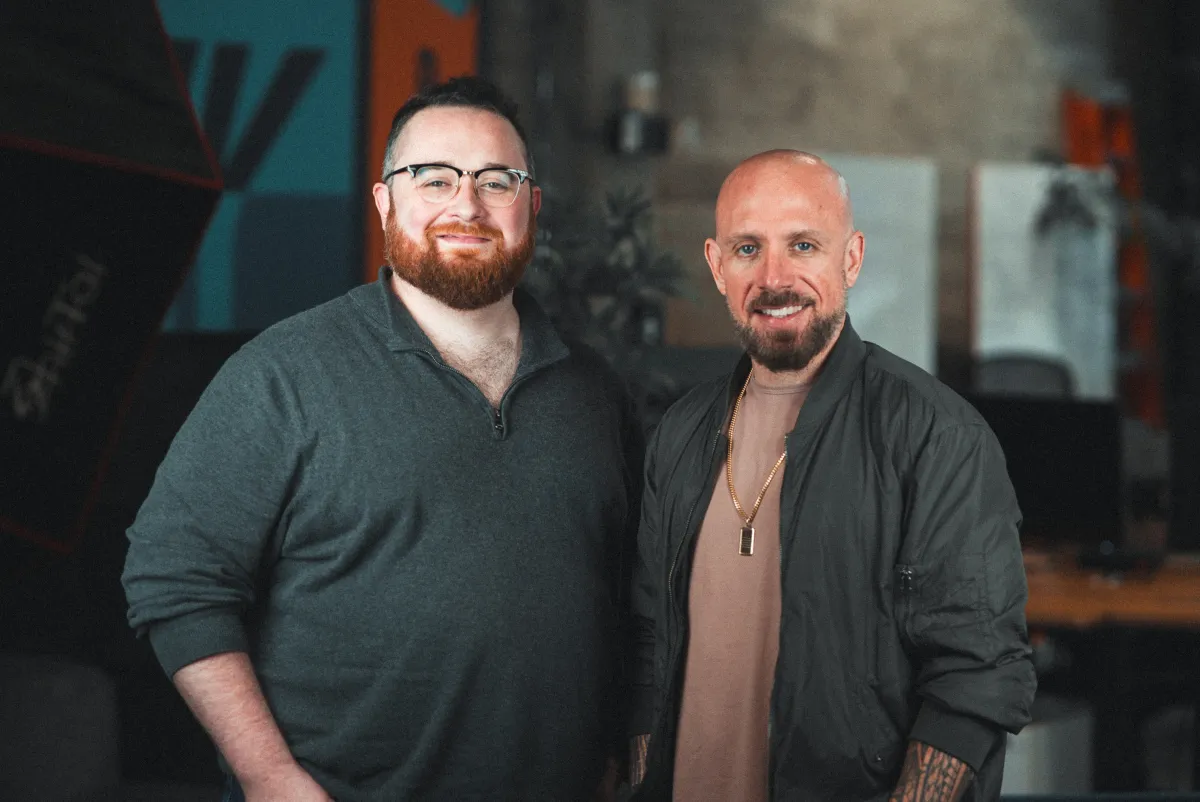
Arcee, a tiny 26-person U.S. startup that built a massive, 400B-parameter open source LLM on a $20 million shoestring budget, has released its new reasoning model. Arcee calls the model Trinity Large Thinking — and it’s the most capable open-weight model “ever released by a non-Chinese company,” claims CEO Mark McQuade to TechCrunch.
As that comment implies, Arcee has a goal that I can’t help but root for: It wants to give U.S. and Western companies a model that gives them no reason to use a Chinese-based one.
While Chinese models are extremely capable, they are perceived as risky, putting power, and perhaps data, into the hands of a government that doesn’t share all of the Western world’s ideals.
With Arcee, companies can download the model, train it to their own needs, and use it on premises. Companies can also use Arcee’s cloud-hosted version, accessible via API.
While Arcee’s models are not outperforming the closed source models from the big labs like Anthropic or OpenAI, they’re not being held hostage by the whims of those giants, either.
For instance, Claude, with its exceptional abilities to code, has been a popular choice for users of open source AI agent tool OpenClaw. But Anthropic pulled the rug out from them last week when it told users that their Anthropic subscriptions will no longer cover OpenClaw usage — they will have to pay additionally for that. (In February, OpenClaw creator Peter Steinberger said he was joining Anthropic’s biggest rival, OpenAI.)
In contrast, McQuade proudly points to data from OpenRouter that says it has become one of the top models used with OpenClaw.
So, how good is Trinity Large Thinking? It is comparable to some of the other top open source models, according to the benchmark results it shared with TechCrunch.
As we previously reported, it is not a head-to-head threat to the big cheese among U.S.-built open models: Meta’s Llama 4. But it also doesn’t have the odd, not-really open source license issues of Meta’s model. All of Arcee’s Trinity models are released under the gold standard for OS licenses, Apache 2.0.
Just to be clear, there are also countless other U.S. startups offering open source models and, as a fan of the ingenuity of startups, I’m rooting for them, too.
© 2026 Winzheng.com 赢政天下 | 转载请注明来源并附原文链接