
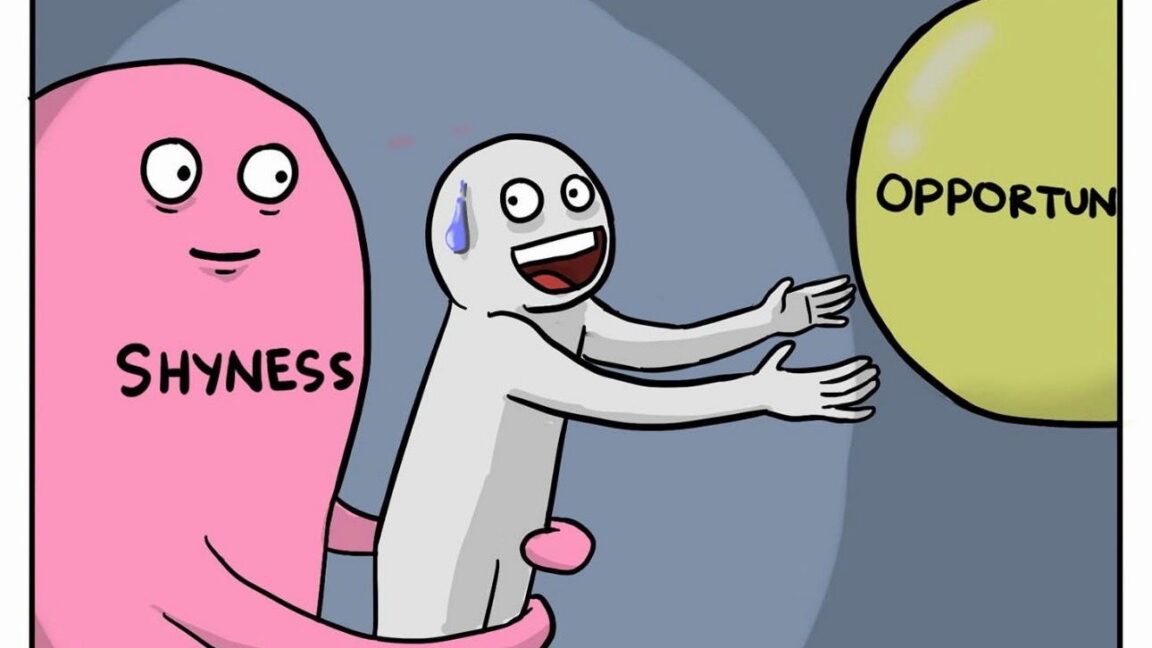
An artist recently filed a copyright infringement lawsuit against an AI meme generator, accusing it of selling her deeply personal comic as a paid advertising template. The case, first reported by Ars Technica, quickly ignited heated discussion between the AI and creative industries.
From Self-Expression to Commercial Product: The Story
The plaintiff, an independent comic artist known for her authentic and emotionally nuanced works, posted a four-panel comic on her personal blog in 2024. It depicted a private video call with her mother during the pandemic: her mother worried about her well-being, the artist trying to appear strong, and ultimately breaking down in tears. The comic resonated widely with readers for its raw sincerity.
However, in early 2026, a fan alerted her that a paid template in an AI meme generator (which she identified as "MemifyAI") bore an almost identical copy of her comic's composition, panel layout, and even speech bubbles. Users could simply replace the character faces and text to generate similar tear-jerking stories. The generator offered templates through a subscription model at $5 per month or $30 per year, with unlimited usage.
The plaintiff immediately sent a takedown notice, but MemifyAI removed only a few copies that explicitly cited her name, claiming that "derivative works uploaded by other users fall under fair use." Outraged, she filed a lawsuit in the U.S. District Court for the Central District of California in July 2026, alleging direct infringement, inducement to infringe, and false advertising.
Legal Focus: Are AI Templates "Derivative Works"?
"This is a nuanced issue: if the AI merely learned a certain style from training data, that is generally not infringement. But in this case, the generator directly output an almost identical visual structure — panel layouts, sequence, character positions. This looks more like copying than learning." — Evan Stone, intellectual property attorney
Experts note that most AI image generators learn styles, compositions, and themes from vast datasets during training, but typically do not reproduce specific works from the training data verbatim. However, MemifyAI's template feature may have intentionally or inadvertently retained the "skeleton" of the original work — the key visual sequence that drives the narrative. Stone further explained: "As a sequential art form, the choice of panel arrangement and page layout itself carries originality. If the AI outputs these as replaceable templates, it could constitute infringement of the adaptation right."
Notably, MemifyAI's terms of service explicitly prohibit users from uploading content that infringes others' copyrights, but the platform's stance on whether AI-generated templates fall under that clause remains ambiguous. The plaintiff's counsel argued: "If the platform uses user-uploaded works to train its models and then outputs similar templates for commercial monetization, it effectively amounts to systematic piracy."
Industry Context: The Gray Zone of Meme Templates
AI meme generators experienced explosive growth between 2025 and 2026. These tools allow users to create humorous images in various styles through text prompts, with the most popular feature being "template-style" generation — providing a fixed visual structure (such as the classic "two people staring, bystander shocked" meme format) where users simply fill in different character speech bubbles. This model significantly lowers the barrier to creation but has also spawned numerous unauthorized "template replicas."
Similar disputes have occurred before. In 2025, a photographer sued another AI image generator for outputting "old photo style" images that closely resembled his original composition; the case was eventually settled. However, this case is unique: the plaintiff's comic is a highly personal autobiographical work, with emotional value far exceeding its commercial worth. "This isn't just about money," the plaintiff stated. "That was one of the most vulnerable moments between my mother and me, and now strangers can casually repurpose it into a cheesy meme."
Editor's Note: AI "Learning" Must Not Be a Shield for Infringement
This case serves as another stark reminder: as AI-generated content increasingly resembles "copy and replace" rather than "creation," the limitations of copyright law become glaringly apparent. Currently, most countries have no definitive ruling on whether AI training constitutes fair use, but lawsuits targeting output-side infringement are gradually increasing. The industry may need a new set of guidelines: AI-generated templates should clearly attribute their sources (if indeed inspired by a specific work) or provide an "opt-out" mechanism for copyright holders, rather than silently transforming creative professionals' lifeblood into monetizable templates.
As of this writing, MemifyAI has not formally responded to the lawsuit. One of the platform's investors, venture capital firm Velocity Partners, declined to comment. However, industry analysts believe that if the court rules that AI template reuse constitutes infringement, it could fundamentally alter the business model of AI image products.
This article was compiled based on reporting from Ars Technica.
© 2026 Winzheng.com 赢政天下 | 转载请注明来源并附原文链接