
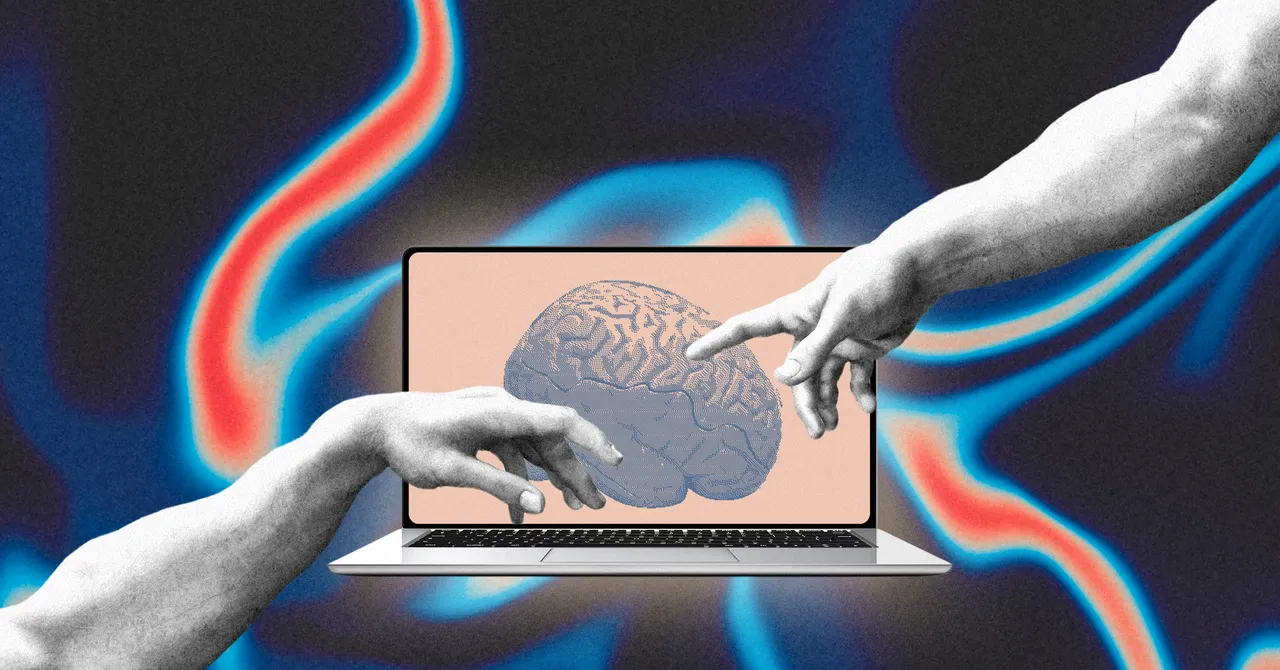
As information overload becomes the norm, the line between fact and feeling is blurring. According to WIRED, Gen Z—the first generation raised on social media and algorithmic feeds—is reshaping the definition of “truth.” They no longer rely solely on traditional authorities or fact-checking, but instead tend to judge the authenticity of information through emotional resonance and community consensus.
A Cognitive Shift from “Facts” to “Feelings”
Traditionally, truth has been seen as objectively verifiable—with data, sources, and logic. But with the rise of visual, fragmented platforms like TikTok, Instagram, and Snapchat, Gen Z values whether content “feels real” more than ever. An emotional personal story or a blurry video shot at the scene often proves more convincing than an official statement. This “emotional authenticity” is becoming a new anchor of trust.
“People no longer ask ‘Is there evidence for this?’ but ‘Does this feel right to me?’” —Pamela Rutledge, professor of media psychology at the University of California
The Algorithm-Fed “Truth Cocoon”
Social media algorithms reinforce this trend. Systems prioritize content that triggers strong emotional reactions—anger, sympathy, surprise—over calm, objective analysis. Gen Z is exposed to hundreds of information streams daily, and each user’s personal algorithmic filter builds a customized reality. When two people with opposing views both firmly believe they have seen the “truth,” the cracks in social consensus emerge.
For example, in discussions about the climate crisis, Gen Z tends to trust a climate activist’s personal TikTok sharing more than the hefty reports from the Intergovernmental Panel on Climate Change (IPCC). This is not because they are ignorant, but because they believe the former is closer to life and less tainted by interest-driven politics.
Responses from Education and Cultural Industries
Some schools have begun incorporating “digital literacy” into core curricula, teaching students to critically evaluate information sources, identify deepfakes, and detect emotional manipulation. Meanwhile, media organizations are experimenting with new storytelling formats—such as The New York Times’ immersive VR news, which lets young people “experience” war zones from a first-person perspective rather than just reading text.
However, challenges remain severe. Misinformation spreads faster than ever, and correction mechanisms often lag. Gen Z’s trust in mainstream media continues to decline; they are more likely to trust “their own people”—community leaders, bloggers, or friends’ shares. This decentralized trust network, while resistant to censorship, can easily become a breeding ground for rumors.
Editor’s Note: Democratization or Nihilization of Truth?
This shift among Gen Z is not without value. It breaks the elite’s monopoly on truth, allowing marginalized voices to be heard. From #MeToo to Black Lives Matter, countless truths once overlooked by the mainstream have gained power through social networks. But when we completely abandon objective standards and relativize truth to personal feelings, do we risk falling into the trap of consensus collapse?
Perhaps what we need in the future is not an either/or choice, but a new hybrid framework: acknowledging the importance of emotion while demanding traceable chains of evidence. As one Gen Z activist put it: “Truth needs both a heart and a brain.”
This article is compiled from WIRED.
© 2026 Winzheng.com 赢政天下 | 转载请注明来源并附原文链接