
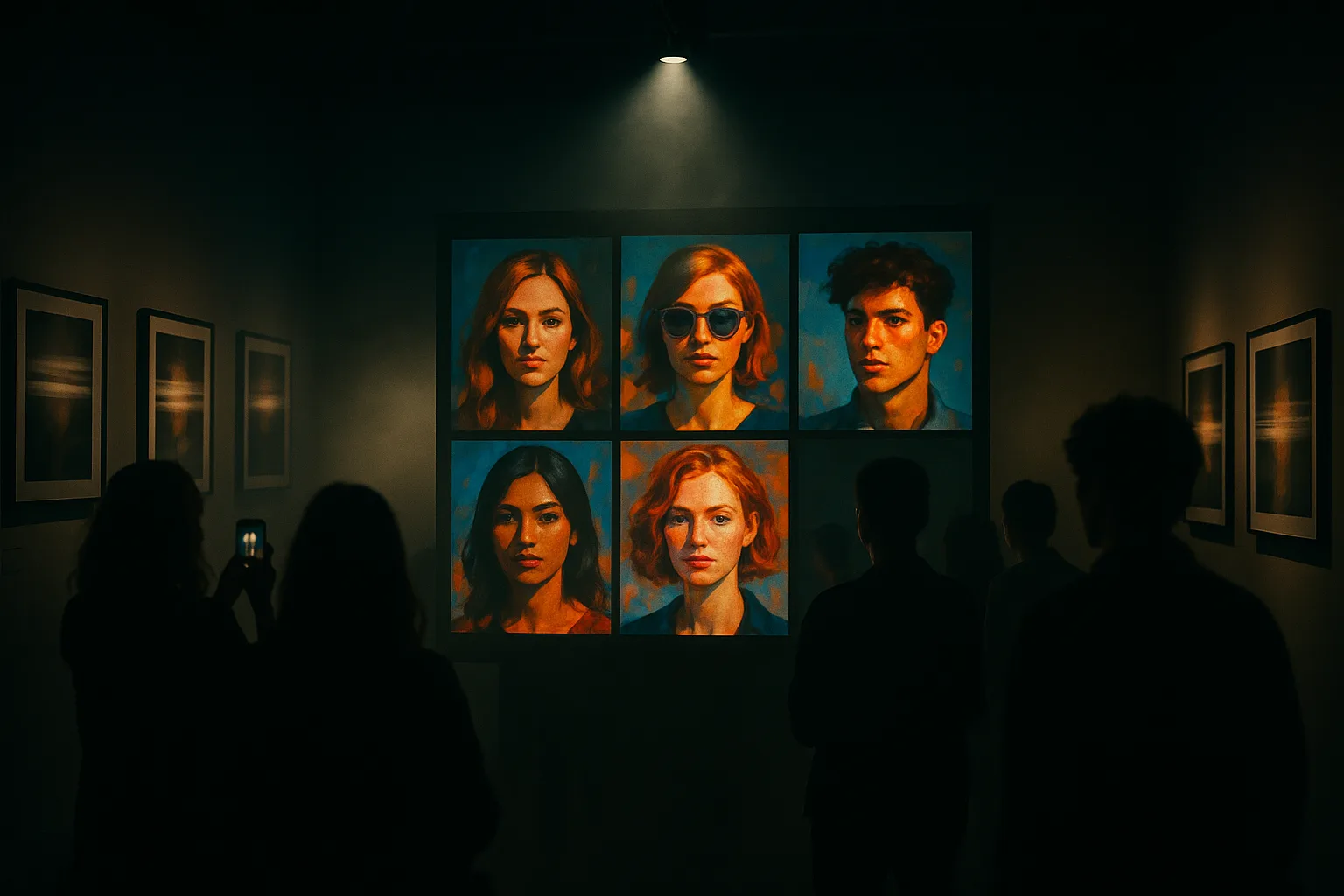
On July 8, 2026, Meta officially launched the Muse Image generation model, allowing users to directly @mention Instagram usernames in prompts, using the account's public photos to build a visual model of the person and incorporate it into generated images. The feature is enabled by default and does not require separate user notification.
How the Feature Works
Muse Image, developed by Meta Superintelligence Labs, possesses agentic capabilities and can work in tandem with the Muse Spark large language model. It first understands the prompt, searches for web information, plans the workflow, and then generates the image. It is currently integrated with Meta AI App, Instagram, and WhatsApp, with future expansion to Facebook and Messenger. Users can perform local edits via hand-drawn doodles or circled selections, upload photos of a room to simulate different decoration styles, and generate invitations and postcards.
The model also powers 30 new AI effects for Instagram Stories. Meta stated that users can choose whether to allow others to use their public content, but the feature is enabled by default.
Commercial Deployment Path
Muse Image is free for regular users, while a Meta One monthly subscription is available for heavy users. For businesses, it is integrated into the Advantage Plus AI advertising tool, allowing brands to automatically generate multiple versions of ad creatives, reducing revision frequency while maintaining brand consistency. Meta plans to allow advertisers and agencies to begin using these generated assets in the coming weeks.
Internal tests show that Muse Image outperforms Google Nano Banana 2 on single and multi-image editing tasks, but still lags behind OpenAI GPT Image 2 overall. Meta is gradually replacing third-party models previously relied upon, such as Midjourney and Black Forest Labs, with Muse Image.
Impact on Stakeholders
For regular users, personalized images can be quickly generated in chats or Stories, but the risk of their public photos being used in others' creations increases. For creators and advertisers, the free quota and subscription options provide new tools, but attention must be paid to the quota reset mechanism. For Meta itself, the model helps reduce reliance on external AI technologies and explore revenue sources beyond subscriptions and advertising.
From a competitive landscape perspective, OpenAI and Alphabet have already launched GPT Image 2 and Nano Banana respectively, and Meta's move is seen as a direct response to catch up in the generative AI market.
Strategic Outlook
Given the default settings and commercial arrangements of the existing feature, users may adjust their privacy options or raise legal challenges.
© 2026 Winzheng.com 赢政天下 | 转载请注明来源并附原文链接