
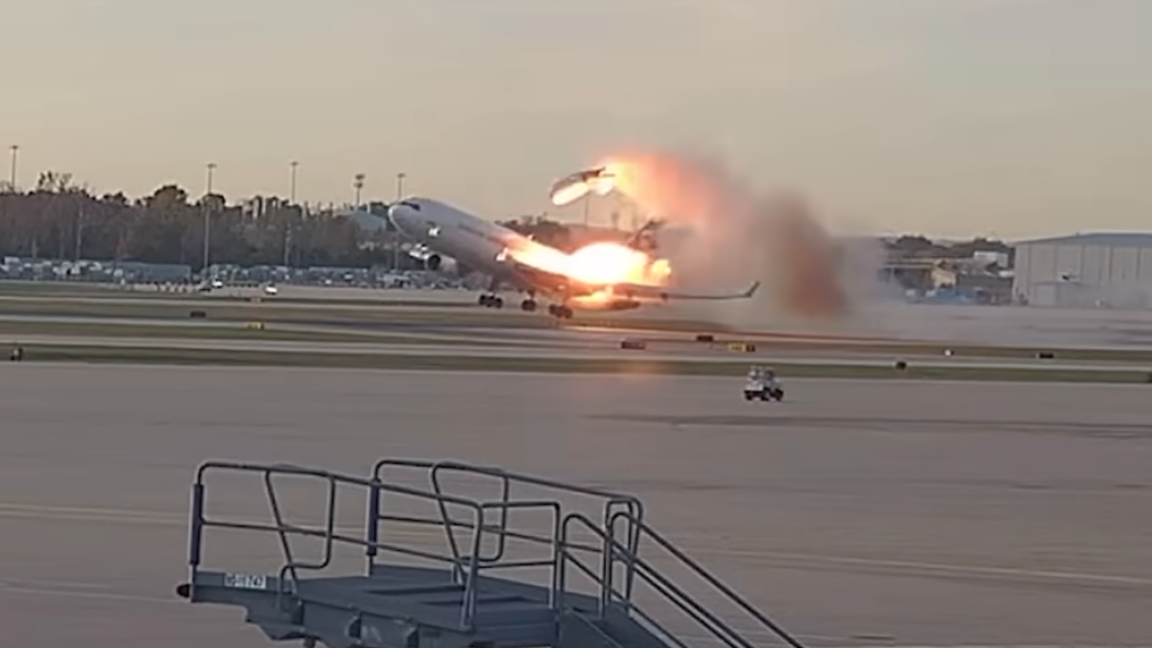
Recently, a storm over AI voice cloning technology swept across the US internet. Some tech enthusiasts used generative AI tools to extract data from publicly available aviation accident investigation documents, successfully replicating the cockpit voices of several deceased pilots. These replicated audio clips were uploaded to social platforms, triggering intense public discussions on aviation safety, technological ethics, and legal boundaries.
Technological Frenzy and Legal Vacuum
According to Ars Technica, this phenomenon first emerged in tech communities on Reddit and Discord. Users employed open-source AI models, combined with voice transcription texts partially disclosed by the NTSB (National Transportation Safety Board) in accident reports, and timbre features extracted from public audio archives, to train models capable of mimicking specific pilots' voices. The replicated audio not only included communication content from actual accidents but was also used to create fictional dialogues and even parody content. However, such actions directly violate US law — according to a joint lawsuit ruling by the New York Times and the NTSB, no organization or individual may disclose or copy cockpit recordings without authorization, to protect the dignity of the deceased and the integrity of aviation investigations. But the law does not explicitly address AI-generated "secondary creation" audio, leaving this gray area in regulatory limbo.
"This is essentially a plunder of the voices of the deceased, and technology is making such plunder alarmingly easy." — Dr. Emily Chen, tech ethics scholar
The Federal Communications Commission (FCC) and the Department of Justice were forced to take urgent action, requiring hosting platforms to delete the relevant audio and warning developers to stop releasing such models. However, since the AI models themselves are open-source code and the training data mostly comes from publicly available materials used under fair use, legal enforcement faces significant challenges. At least three websites have been blocked so far, but similar tools are rapidly spreading on the dark web and decentralized platforms.
Editor's Note: Ethical Dilemmas Behind Technological Dividends
AI voice cloning is not new, but using it for deceased public figures — especially victims of catastrophic events — undoubtedly crosses a fundamental ethical red line. From an ethical perspective, the voices of the deceased carry the emotional memories of their families, and unauthorized digital replication is an infringement on personal dignity. From a legal standpoint, existing regulations clearly lag behind AI technology development, requiring urgent updates to definitions of "digital legacy" and "voice rights." Even more concerning is that if similar technologies were used to forge key testimonies or interfere with accident investigations, the consequences would be immeasurable. While reaping technological dividends, tech companies bear the responsibility to develop anti-abuse mechanisms; lawmakers also need to accelerate efforts to fortify protections for the rights of the deceased in the digital world.
Moreover, the aviation safety community is deeply worried. A former NTSB investigator pointed out that real cockpit recordings contain a wealth of non-verbal details — such as breathing rhythms, switch actions, environmental noise — which are crucial for accident analysis. Even if replicated audio is precise, it may mislead the public due to a lack of original context, potentially undermining judicial fairness in future investigations.
Currently, multiple members of the US Congress have proposed emergency bills aimed at extending the scope of the Privacy Act and the Aviation Safety Act to explicitly prohibit the use of AI technology to generate or disseminate audio content related to accident investigations. Meanwhile, major tech platforms are urgently developing audio watermarking and detection tools. However, in the technological game, defenders always lag one step behind attackers.
This incident may be just a microcosm of the ethical tremors in the AI era. When technology can easily "resurrect" the deceased, are we prepared with the reverence it demands?
This article is compiled from Ars Technica
© 2026 Winzheng.com 赢政天下 | 转载请注明来源并附原文链接