
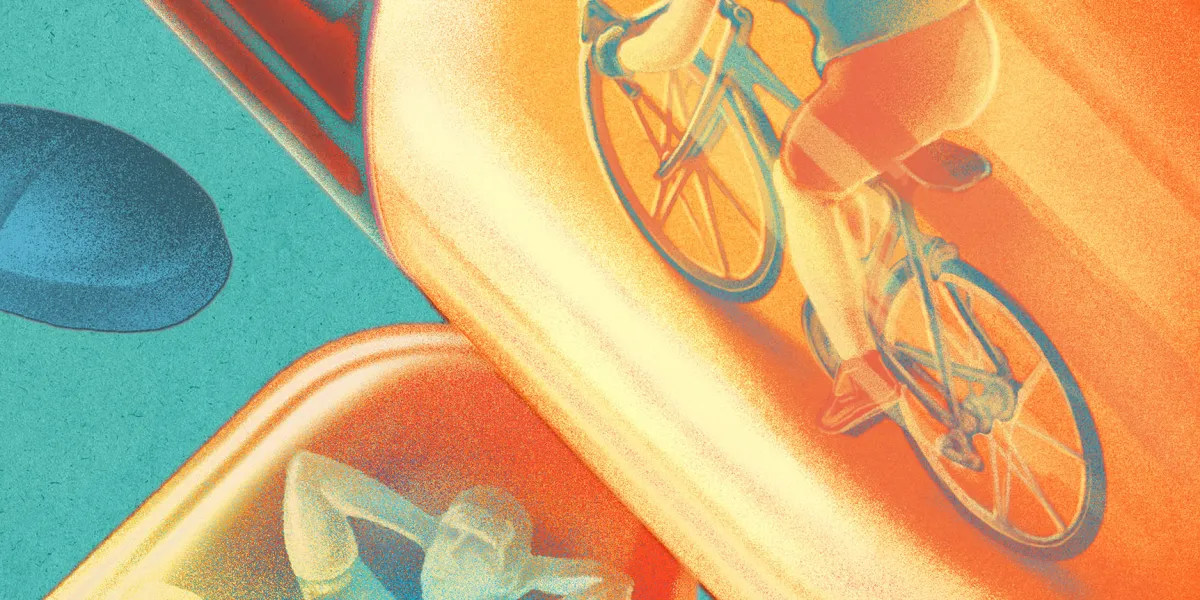
We all know exercise is good for us. It builds muscle, strengthens bones, lowers blood pressure, and boosts mood. By deciphering how movement benefits the body, researchers hope to develop medicines that can offer some of the same perks—without the workout. The idea isn’t to replace exercise but to bring its upsides to people who struggle with frailty, disability, or chronic illness.
The sticking points
It will take a lot of experimentation to untangle the myriad pathways by which exercise promotes health. But IDing the cascade of hormones, enzymes, and other molecules related to physical activity is just the first step. Scientists need to figure out how to turn that knowledge into safe and effective drugs. That’s a tall order: More than 90% of treatments that enter human studies fail.
There are regulatory hurdles too. The FDA approves medications to treat diseases, not to enhance wellness, says Thomas Burris, a pharmacologist at the University of Florida whose work focuses on diseases that respond to exercise, like obesity, type 2 diabetes, and dementia.
The progress
There may never be a pill that delivers all the benefits of exercise, but research could lead to new medicines that mimic some aspects of working out. Scientists have already identified many important exercise-related signals and have even developed compounds to regulate them. (Some preliminary results have been so promising that doping authorities have proactively banned the compounds.)
Burris and his colleagues are focused on a receptor that’s always switched on, even without exercise. Working out appears to boost that receptor in muscle cells, which in turn helps bolster endurance over time. Burris’s lab has spent years designing a drug that cranks up the receptor’s activity directly, and mice treated with the drug ran longer and farther than mice that weren’t. They “become marathon mice without having to do any type of exercise,” Burris says. There are even indications—also in mice—that the compound mimics some of the cognitive benefits of exercise and could help treat heart failure. Burris founded a company called Pelagos to carry the work forward into a clinical trial.
Other workout-mimicking drugs have already entered human studies. In June, the biotech firm Cambrian Bio reported that its experimental drug ATX-304 boosted metabolism and reduced liver and belly fat in people with obesity and prediabetes. It activates a metabolic switch that helps cells sense when energy supplies dip and coordinates the production of more fuel—the same switch that helps us sustain long sessions jumping rope or swimming laps. Cambrian hopes it will help people lose weight without losing muscle, a common concern with GLP-1 medicines.
Progress meter ............ 5

Our understanding of how exercise benefits the body is still coming into focus, and drug development is prone to failure.
Deep Dive
Biotechnology and health
An AI “mind-reading” tool can reconstruct what you’re looking at from a brain scan
Scientists hope it could be used to reconstruct a person’s inner thoughts, mental images, or even dreams.
ByWe’re still figuring out the side effects of GLP-1 weight-loss drugs
Could the drugs affect hair, nails, and vision?
ByYoung organs may not be a fountain of youth for recipients
New studies pour cold water on a prominent rejuvenation idea.
ByWeight-loss drugs show signs of slowing biological aging, say drugmakers
Novo Nordisk and Eli Lilly found the popular medicines reduce molecular markers of age.
ByStay connected
Illustration by Rose WongGet the latest updates from
MIT Technology Review
Discover special offers, top stories, upcoming events, and more.
© 2026 Winzheng.com 赢政天下 | 转载请注明来源并附原文链接