
Petroleum-based adhesives are everywhere: bonding the wood and drywall in a construction project, holding together the joints of furniture, and even sticking labels to otherwise recyclable containers.
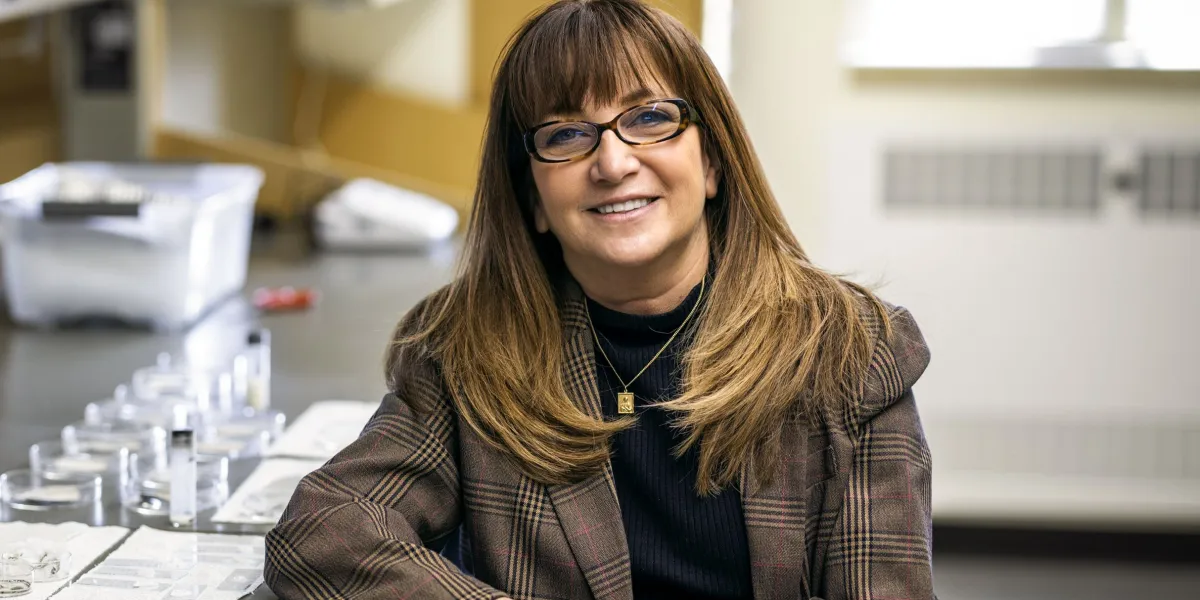
“The labels on a container are held up with petroleum-based glue. And because of that, even though you’re putting the container in the recycle bin, it will not get recycled,” says Patty Ferreira, MBA ’97, CEO and cofounder of Silvis Materials, which is combating this problem with its fully biodegradable cellulose adhesives.
When Ferreira began thinking about bio-based adhesives, in 2014, she started by modifying cellulose’s existing role as a stabilizer in adhesive emulsions and replicating the known adhesive properties of more expensive nanocellulose. Today, the formula can make adhesives from virtually every type of plant cellulose, and the MIT Startup Exchange (STEX) is helping Silvis work with packaging and construction companies to test the results.
She expects the adhesive to cut production emissions by up to 80% and use half the energy of fossil-based glues.
Read more at www.technologyreview.com/alumni-profiles.
Keep Reading
Most Popular
A fundamental flaw leaves LLMs strikingly vulnerable to attack
It makes it easy to trick them into doing things they shouldn’t, such as telling you how to sabotage an aircraft’s navigation system.
ByAnthropic found a hidden space where Claude puzzles over concepts
A new technique has let the company probe deeper than ever into the weird workings of an LLM.
BySperm donors need limits, says a European fertility group
Some donor-conceived people are finding hundreds of siblings. An international cap on donations could help prevent that.
ByAI is more likely than humans to form biases when hiring
AI doesn’t just learn stereotypes from its training. It can cook up new ones, too.
ByStay connected
Illustration by Rose WongGet the latest updates from
MIT Technology Review
Discover special offers, top stories, upcoming events, and more.
© 2026 Winzheng.com 赢政天下 | 转载请注明来源并附原文链接